
The Trust Recession: Why "Perfect" Marketing is Dead in 2026
If you scroll through your feed right now, what do you see?
Likely, it’s a wash of perfectly polished reels, AI-generated captions that sound suspiciously like a robot wrote them, and ads promising you “7-figure growth in 3 days.” It is December 2025, and the internet has never been noisier. But here is the brutal truth: it has also never been easier to tune out.
We are living through what experts are calling the “Trust Recession.”
After two years of generative AI flooding the web with “beige” content, consumers have developed a near-perfect immune system against marketing speak. They don’t trust your perfectly curated Instagram grid. They don’t trust your 5-star reviews (which they assume were bought). And they certainly don’t trust your corporate press release.
For small business owners, this sounds terrifying. But if you shift your perspective, it is actually the biggest opportunity of the decade.
In a world where everyone is trying to fake perfection, the most disruptive thing you can be is real.
The Data: Why Your "Brand Voice" is Invisible
Before we get to the “how,” we need to confront the “what.” The data emerging from late 2025 is startling.
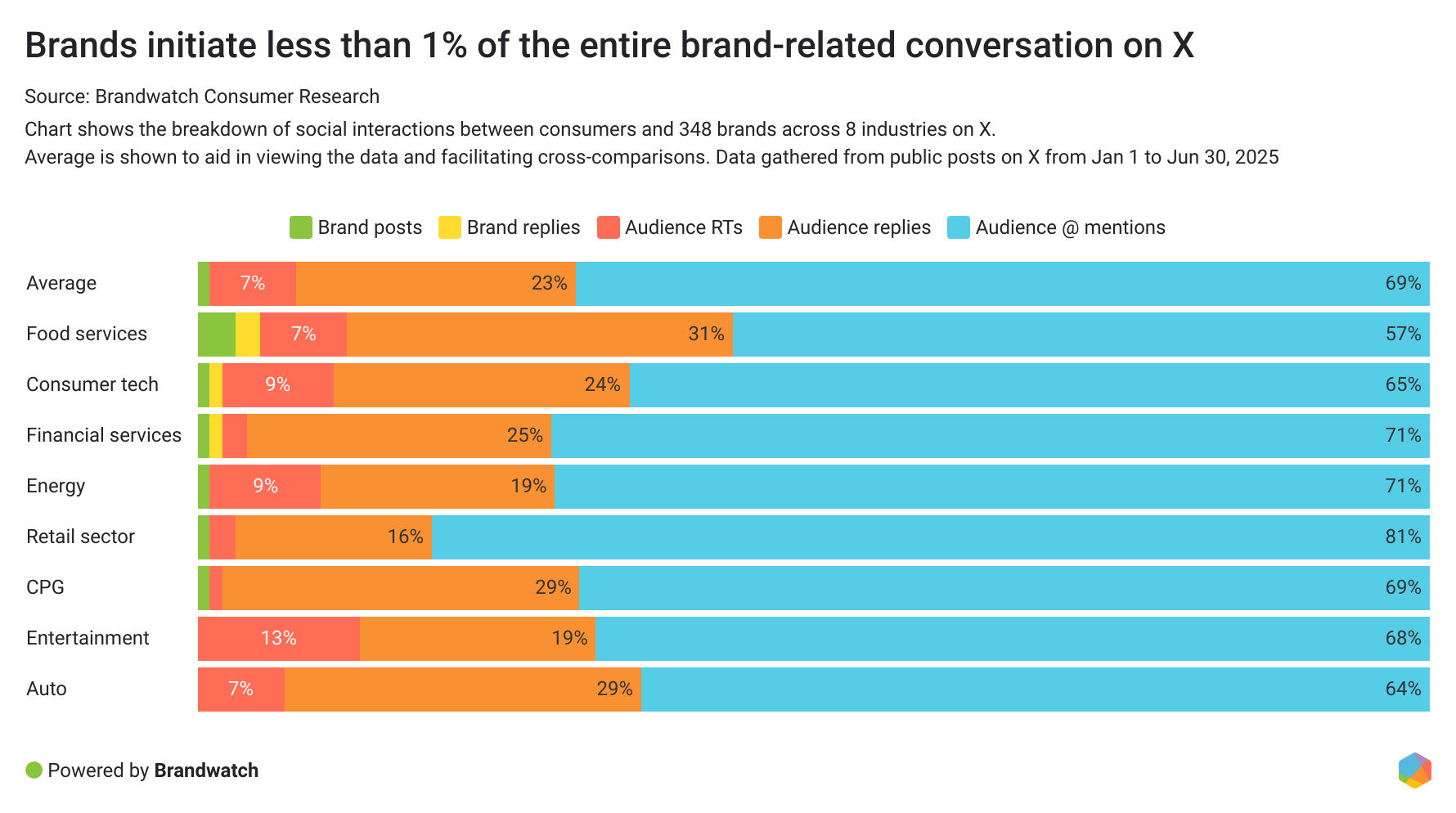
According to the latest Brandwatch State of Social Report, brands now initiate less than 1% of the online conversations about themselves.
99% of the time, your brand is being defined by people you don’t pay, on channels you don’t control, in threads you might not even see. The “Corporate Brand Voice” that safe, PR-approved, neutral tone we spent the last decade perfecting is effectively invisible. It is background noise.
Consumers have moved into private communities, “Dark Social” (DMs, WhatsApp groups, Discord servers), and TikTok comment sections to find the truth. They aren’t looking for what you say about your product; they are looking for what Sarah from Brisbane says about your product after she’s used it for three months.
The Rise of "Deinfluencing": It’s Not a Trend, It’s a Correction
Deinfluencing is a social media movement where creators gain credibility by telling audiences what not to buy, rather than what to buy.
You might have seen the hashtag #deinfluencing trending over the last year. Initially, marketers dismissed it as a fad where creators would roast expensive products. But as we enter 2026, “Deinfluencing” has evolved into something much more significant: Credibility through critique.
The creators and brands winning today are the ones who tell you what not to buy. They are the ones who say, “This software is great for X, but if you need Y, honestly, go somewhere else.”
Why does this work? Because it proves you aren’t a shill. It proves you care more about the customer’s outcome than your own transaction.
For a small business, this is a superpower. The big multinationals can’t do this; their legal teams won’t let them. But you? You can look a client in the eye and say, “Actually, you don’t need our premium package. The basic one is fine for you.”
That moment of honesty is worth ten thousand dollars in Facebook ads. It buys you a customer for life.
Strategy 1: Radical Transparency (The “Glass Box” Brand)
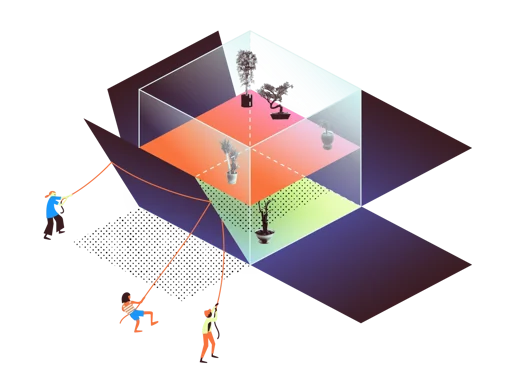
So, how do you operationalise trust? You need to build a “Glass Box” brand.
A Glass Box Brand is a business where the internal culture and processes are visible to the outside word, unlike traditional “Black Box” brands that hide their inner workings.
In the old world (the “Black Box”), you controlled the narrative. You only showed the finished product. You hid the mistakes. You polished the image.
In the Glass Box era, everyone can see inside anyway. Your employees are posting on LinkedIn. Your customers are filming unboxings on TikTok. The walls are transparent. So, your only option is to tidy up the inside.
Show the “Messy Middle”
Stop waiting until the project is perfect to talk about it.
- The Old Way: Launching a new product with a slick, high-budget video.
- The 2026 Way: documenting the six months of failed prototypes, the late nights, the arguments over colour swatches, and the moment it finally worked.
People don’t connect with the result; they connect with the effort. When you show the struggle, you earn the right to celebrate the success.
Own Your Screw-Ups (Loudly)
If a shipment is late, or a service goes down, or you made a typo in an email don’t hide it. Beat the Reddit thread to the punch.
Post about it. Say, “Hey everyone, we messed this up. Here is exactly what went wrong, here is how we are fixing it, and here is what we are doing to make sure it doesn’t happen again.”
A solved problem is a stronger trust signal than a perfect record. It shows resilience and integrity.
Strategy 2: The Founder Is the Brand
I know, I know. You started a business to do the work, not to be an influencer. But in 2026, hiding behind a logo is a liability.
We are seeing a massive shift towards Founder-Led Marketing. This means the business owner acts as the primary face of the brand to guarantee the promise personaly.
When a consumer sees a generic ad, their brain filters it out. When they see a person looking directly into the camera, speaking without a script their brain pauses. Evolution has wired us to pay attention to faces, not fonts.
The “90-Second Founder Update”
Here is a tactical step you can take tomorrow. Every Friday, record a 90-second video on your phone. No studio lights, no microphone. Just you.
Talk about:
- One win the team had this week.
- One challenge you are facing.
- One thing you learned about your industry.
Post it to LinkedIn or Instagram Stories. Watch what happens. Your engagement will spike, not because the content is “viral,” but because it is human.
Strategy 3: Navigating the AI Paradox
Here is the tricky part. We are in the “Freedom Economy,” and I want you to use AI. I want you to use agents to handle your scheduling, your data entry, and your basic drafting.
But there is a danger zone.
If your audience starts to suspect that you aren’t home that your entire online presence is just a series of GPT-4 prompts running on autopilot you are dead in the water.
The “Sandwich Method”
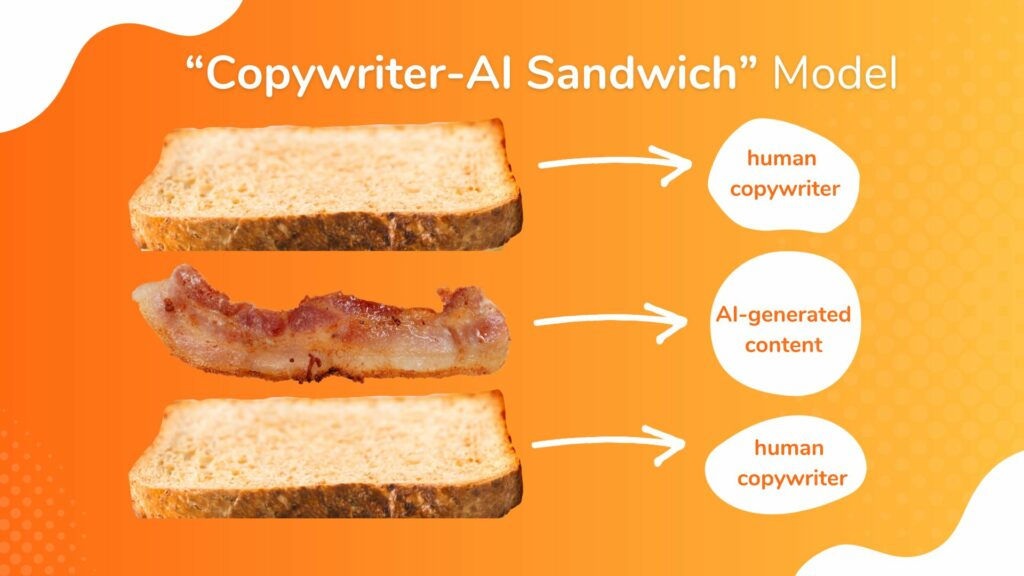
To use AI without losing trust, use the Sandwich Method:
- Human (The Top Slice): The strategy, the core idea, the emotional hook. This must come from you. You write the bullet points. You record the voice note.
- AI (The Filling): The expansion. Use AI to turn your voice note into a blog post, or to resize your video for three different platforms, or to draft the email newsletter based on your points.
Human (The Bottom Slice): The edit. You must review the output. Add your Australian slang. Remove the words “delve” and “tapestry.” Add a personal anecdote that an AI couldn’t possibly know.
If you skip the top or bottom slice, you are just feeding the noise.
Practical Application: The 7-Day Trust Challenge
You can’t build trust overnight, but you can start repairing it immediately. Here is a 7-day challenge for small business owners to deploy this strategy:
- Monday: Audit your “About Us” page. Does it sound like a human wrote it? If it uses the word “synergy” or “world-class solutions,” rewrite it. Tell the story of why you started.
- Tuesday: Post a “Behind the Scenes” photo. Not the tidy office. The messy whiteboard. The coffee stain. The reality.
- Wednesday: Do a “Deinfluencing” post. Tell your customers who is not a good fit for your product. (e.g., “If you are looking for a quick fix, we aren’t for you.”)
- Thursday: Respond to 5 comments with video. If someone asks a question on social media, reply with a video message instead of text. It takes 10 seconds and blows their mind.
- Friday: The Founder Update. Record that 90-second video we talked about.
- Saturday: Share a testimonial, but focus on the relationship, not the transaction.
- Sunday: Rest. (Because burnt-out founders make bad decisions).
Be The Signal, Not The Noise
The marketing tools of 2026 will keep getting sharper, faster, and cheaper. But your intuition, your ability to read the room, to care about your customers, and to act with integrity is what steers the ship.
We spent the last decade optimising for algorithms. We tried to hack the system. We chased the “viral” dragon.
Let’s spend 2026 optimising for people.
The businesses that win won’t be the ones with the best prompts or the biggest ad budgets. They will be the ones with the most soul. They will be the ones that, when the shiny veneer of the internet peels away, are still standing there, real and ready to help.

Share This