
For service businesses, consultants and purpose-driven founders, LinkedIn B2B marketing offers something most platforms simply can’t: a direct, low-cost line to the decision-makers who are already there, already in a business mindset, and already open to the right conversation. You don’t need a big budget or a huge following to start. You need a clear point of view and the consistency to share it.
There’s something worth paying attention to in the way LinkedIn has evolved. While most social platforms are built around entertainment and personal connection, LinkedIn is where professionals show up specifically to think about business: their own, their industry, their next move. That shift in intent changes everything about how B2B marketing works on this platform.
Decision-makers scroll LinkedIn during their commute, not to be sold to, but to stay informed. Service buyers research potential partners long before they make any formal contact. Consultants and founders share observations that quietly shape what their networks believe and decide. For B2B businesses, this is the environment you’re marketing into, and it’s one of the most genuinely accessible ones available to small and growing businesses today.
How Does LinkedIn Drive B2B Awareness?
The platform’s unique position becomes clear when you look at the features designed specifically for professional engagement:
- LinkedIn’s professional groups connect niche communities around shared interests and challenges, giving you access to focused conversations already happening in your industry.
- Targeted advertising lets you reach decision-makers by job title, company size, industry and seniority with a precision that other platforms can’t match.
- Thought leadership content positions your brand directly in front of the people who matter most to your business.
Every like signals interest, every comment builds rapport, and every impression expands your reach to decision-makers you couldn’t otherwise access. On LinkedIn, content creates visibility and relationships provide the pathway forward.
The Content That Builds B2B Trust
What matters most isn’t the format, it’s the substance. The most effective content formats for B2B brands on LinkedIn are:
- Long-form articles that demonstrate deep expertise and position you as a go-to resource in your field.
- Thoughtful posts addressing industry trends, challenges and observations your audience is already thinking about.
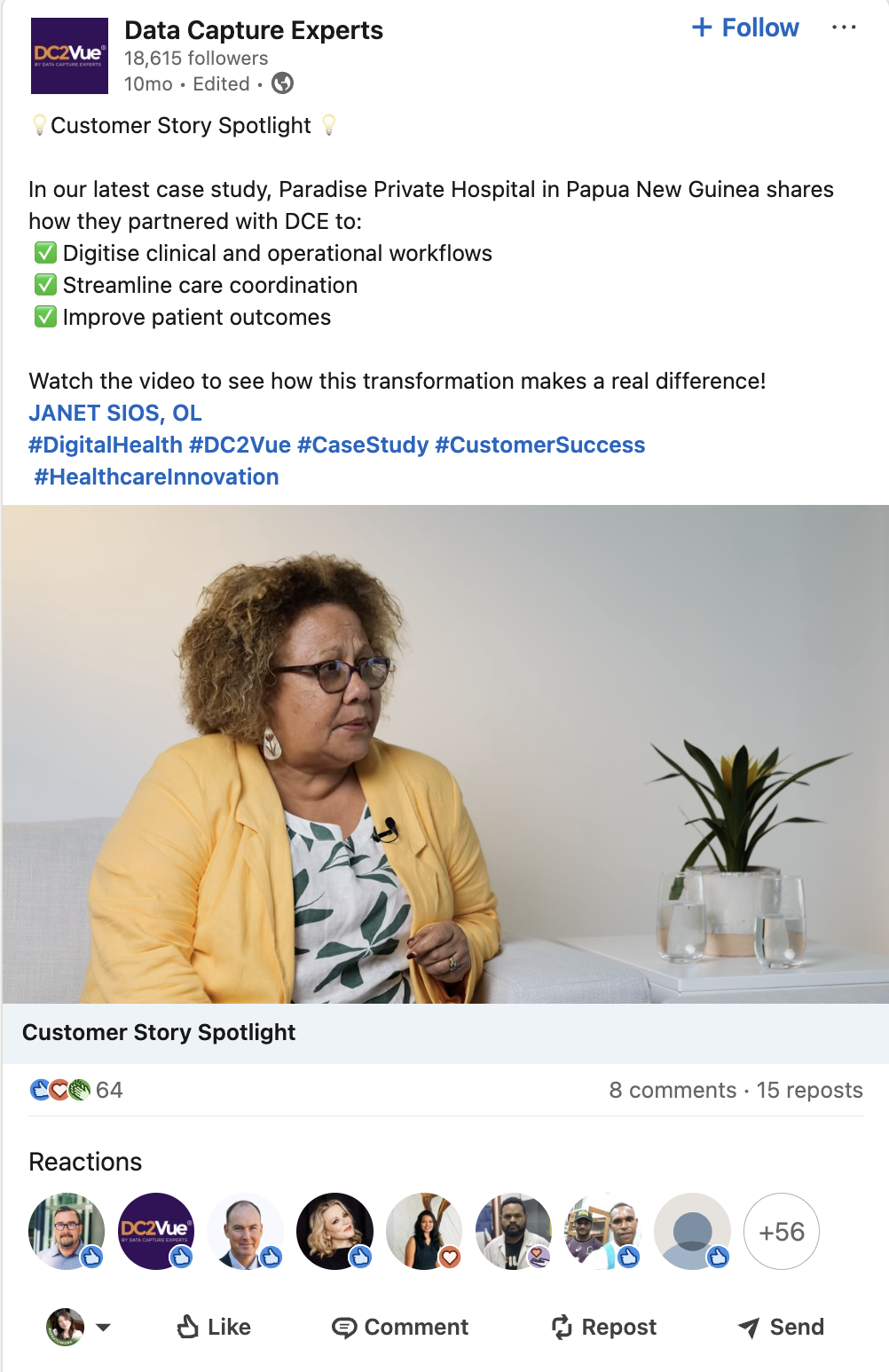
- Authentic video content that humanises your brand and lets the right people see the person behind the business.
What you focus on inside those formats matters just as much as the format itself:
- Sharing your perspective on industry shifts and emerging trends.
- Breaking down complex challenges into actionable frameworks.
- Offering honest commentary on what’s working and what isn’t in your space.
- Telling stories from your business journey that deliver genuine value.
This approach does more than generate engagement, it generates trust. When a prospective client reads your thinking and recognises that you understand their world, you’ve already moved beyond brand awareness and into relationship territory.
It’s also worth understanding the broader landscape your content is operating in right now. AI search has fundamentally changed how people discover and evaluate content and LinkedIn is one of the few channels where consistent, expertise-led content still cuts through, precisely because the audience intent is already professional and high-quality. The platforms that reward depth and genuine perspective are the ones worth investing in for B2B.
Consistency is also where your most important B2B marketing asset gets built on LinkedIn. The platform rewards businesses that show up regularly with real perspective, not the ones who post frantically for a fortnight and then go quiet. Consistency doesn’t mean posting every day. It means building a rhythm your audience can rely on, one that fits the energy and capacity you actually have. That sustainable rhythm, over time, is what compounds into genuine authority.
How B2B businesses are winning on LinkedIn
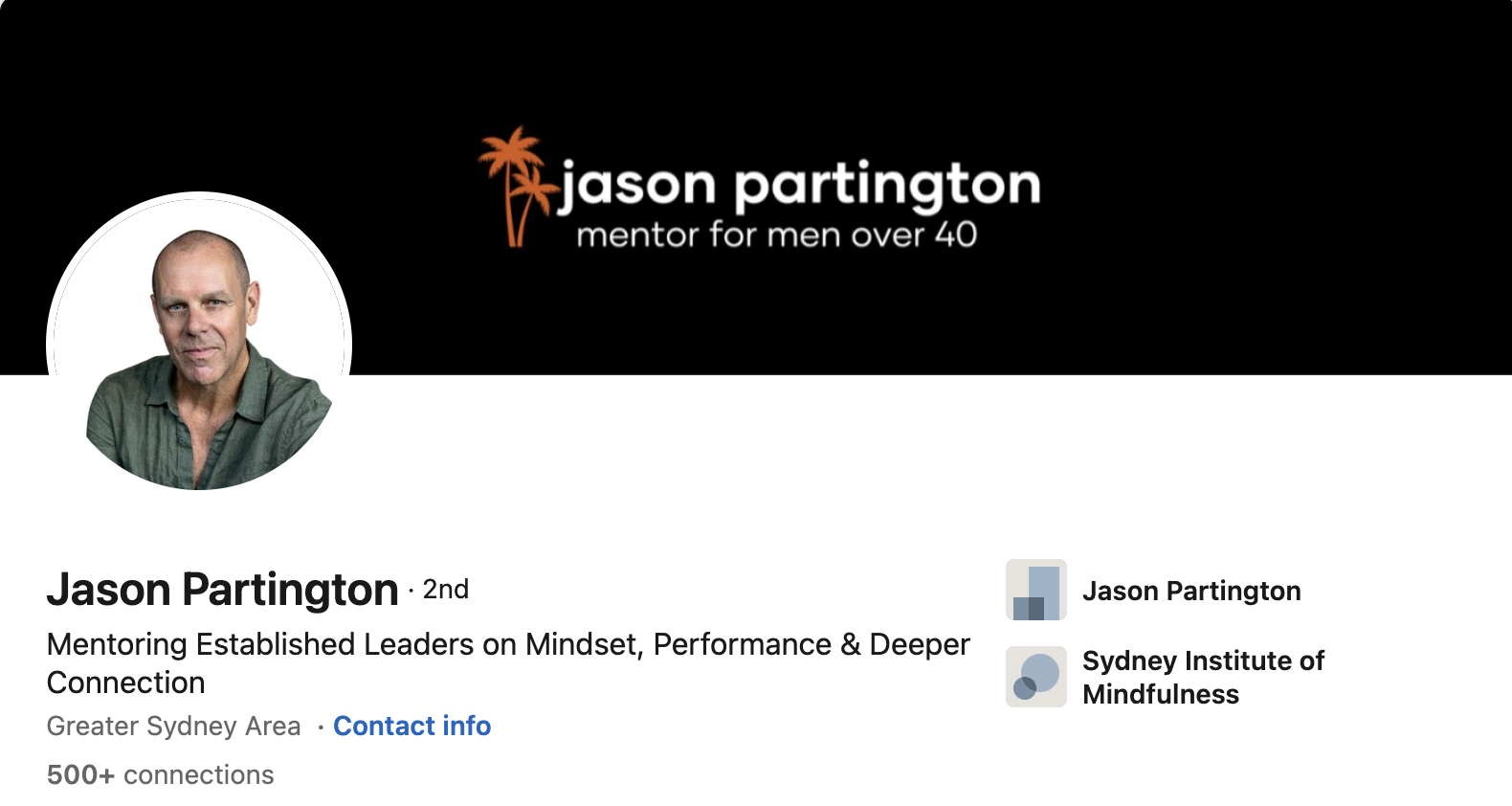
One of the things I appreciate most about LinkedIn as a B2B marketing channel is that the barriers to entry are genuinely low. A small service business or solo consultant can build a meaningful, engaged audience through thought leadership and authentic storytelling, on the same platform as enterprise brands, without the same budget. The playing field is more level here than most people assume.
At Glamorazzi, we’ve seen this firsthand. When we shifted from broadcasting announcements toward sharing actual strategic thinking, observations about what’s working in marketing and honest reflections on the business, engagement deepened noticeably. The conversations that followed weren’t just comments; they turned into direct messages, referrals, and new client relationships. That’s what LinkedIn can do when you treat it as a relationship-building tool rather than a broadcast channel.
This connects directly to something I’ve written about in the context of the trust recession shaping marketing in 2026. B2B buyers are increasingly sceptical of polished, impersonal content, and LinkedIn is no exception. The founders and service businesses winning on the platform are the ones willing to show genuine thinking, share honest perspectives, and be recognisably human, not the ones with the most impressive graphics.
Some of the strategies generating real results for B2B businesses on LinkedIn right now include:
-
LinkedIn polls that spark conversation and provide market insights simultaneously.
-
Podcast or video series that deepen relationships beyond the platform.
-
Company blogs and external content linked from LinkedIn to direct traffic back to your website.
-
Thought leadership posts that share a clear opinion or observation on something your audience cares about.
-
Demo videos that show your process, product or approach in action.
-
New service announcements that raise awareness among your existing network.
-
Client case studies and success stories that ground your claims in real outcomes.
These approaches work because they invite participation rather than demand attention. The most effective B2B brands on LinkedIn have moved beyond treating it as just another marketing channel. They’ve integrated it into their broader go-to-market strategy, from brand building to lead generation to client advocacy.
Turning LinkedIn into a B2B growth channel

Step 1: Build a company page that demonstrates expertise
Your company page shouldn’t just list services, it should establish authority. Share industry insights, showcase client success stories, highlight your team’s expertise, and demonstrate the strategic thinking that differentiates your organisation. Your page should answer two questions clearly: what does this business do, and what makes it valuable and different from others in the same space?
Step 2: Activate your team as brand ambassadors
Your company page’s reach multiplies when employees share and engage with your content. Encourage leadership and team members to post insights, comment on industry discussions, and share company updates through their personal networks. Their authentic voices amplify your message to wider professional audiences that your company page simply can’t reach on its own.
Step 3: Post consistently, not constantly
Quality and consistency outweigh frequency. Develop a sustainable content rhythm, whether that’s two or three times per week. What matters is showing up reliably enough that your audience begins to expect and look forward to your perspective on industry developments.
Step 4: Track metrics that scale
Monitor the metrics that actually tell you something useful:
-
Follower growth to gauge brand awareness over time.
-
Engagement rate to measure whether your content is resonating.
-
Impressions to understand the reach of each piece.
But prioritise quality over vanity metrics. A post with ten engaged comments from the right decision-makers may matter far more than one with a hundred likes from people who will never hire you. Track who is viewing your page, which content resonates with your target audience, and what sparks real conversations about your business.
Making AI work for your LinkedIn content without losing your voice
One question I get asked regularly is how AI fits into a sustainable LinkedIn B2B content strategy. The honest answer is that it can be genuinely useful, for drafting first passes, repurposing existing content across formats, and maintaining consistent output during busy periods, but only when you remain in the driver’s seat.
Using AI in your small business without losing your voice covers this in depth, and the same principles apply directly to LinkedIn: AI works best as a co-writer, not a ghostwriter. Your expertise, your stories, and your editorial judgment are what make B2B content worth reading and worth trusting.
The bigger picture
The B2B businesses winning on LinkedIn have recognised something fundamental: buyers don’t purchase from companies, they purchase from people they trust, people they’ve learned from, and people who’ve demonstrated a genuine understanding of the challenges they’re navigating. LinkedIn is where that trust gets built, quietly and consistently, long before a formal sales conversation ever begins.
For small and growing service businesses especially, that’s a significant opportunity, because you don’t need to outspend anyone to build it. You need to out-think and out-show-up. And that’s entirely within reach.
Ready to build your B2B presence on LinkedIn?
If you’re thinking about how LinkedIn fits into your broader marketing strategy, or how to build a consistent, sustainable content presence that actually generates leads and relationships, this is exactly what I cover inside Show Up Marketing Mentoring With Roslyn Foo.
You can explore what’s available and find what’s right for your business at roslynfoo.com.
Genuinely, yes, and this is one of the things I find most exciting about the platform. LinkedIn levels the playing field in a way that most other B2B marketing channels don’t. A consistent, expertise-led presence can generate the same quality of relationships and leads for a small service business as it does for a large consultancy. You don’t need a big team or a large budget to start; you need a clear point of view and the willingness to share it regularly.
Consistency matters far more than frequency. Posting three times a week with genuine professional insight will outperform daily posts that add little value. Find a rhythm you can actually sustain, focus on quality, and show up reliably. Your target audience will begin to associate your name with a specific area of expertise, and the algorithm tends to reward consistent engagement over sporadic activity.
Content that demonstrates genuine expertise and offers something useful to your specific professional audience consistently outperforms promotional content. This means industry observations, practical frameworks, honest behind-the-scenes perspectives, and case studies grounded in real client outcomes. The goal is to become the business your ideal clients think of when a relevant problem comes up, and that happens through accumulated trust, not a single viral post.
Starting with around 30 minutes a day, split between creating content and genuinely engaging with others in your industry, gives you roughly 2.5 hours a week, which is enough to build real momentum without overwhelming your schedule. The key is making LinkedIn a consistent professional habit rather than a project you return to occasionally. Small, steady investments compound into a significant B2B presence over time.
Share This