
Running a marketing agency for more than ten years means I’ve seen trends rise, fall, and repeat. I’ve worked with hundreds of marketers, founders, and PR professionals who all ask the same question:
“How do I stay relevant when everything is changing so fast?”
The truth is in 2026, your marketing will struggle if AI isn’t supporting at least one part of your process.
As I always say:
“You can be an average marketer today and still become an exceptional marketer next month if you keep up with the changes.”
Roslyn Foo
Table of Contents
1. Search Is Evolving, and AEO Is The Advanced SEO
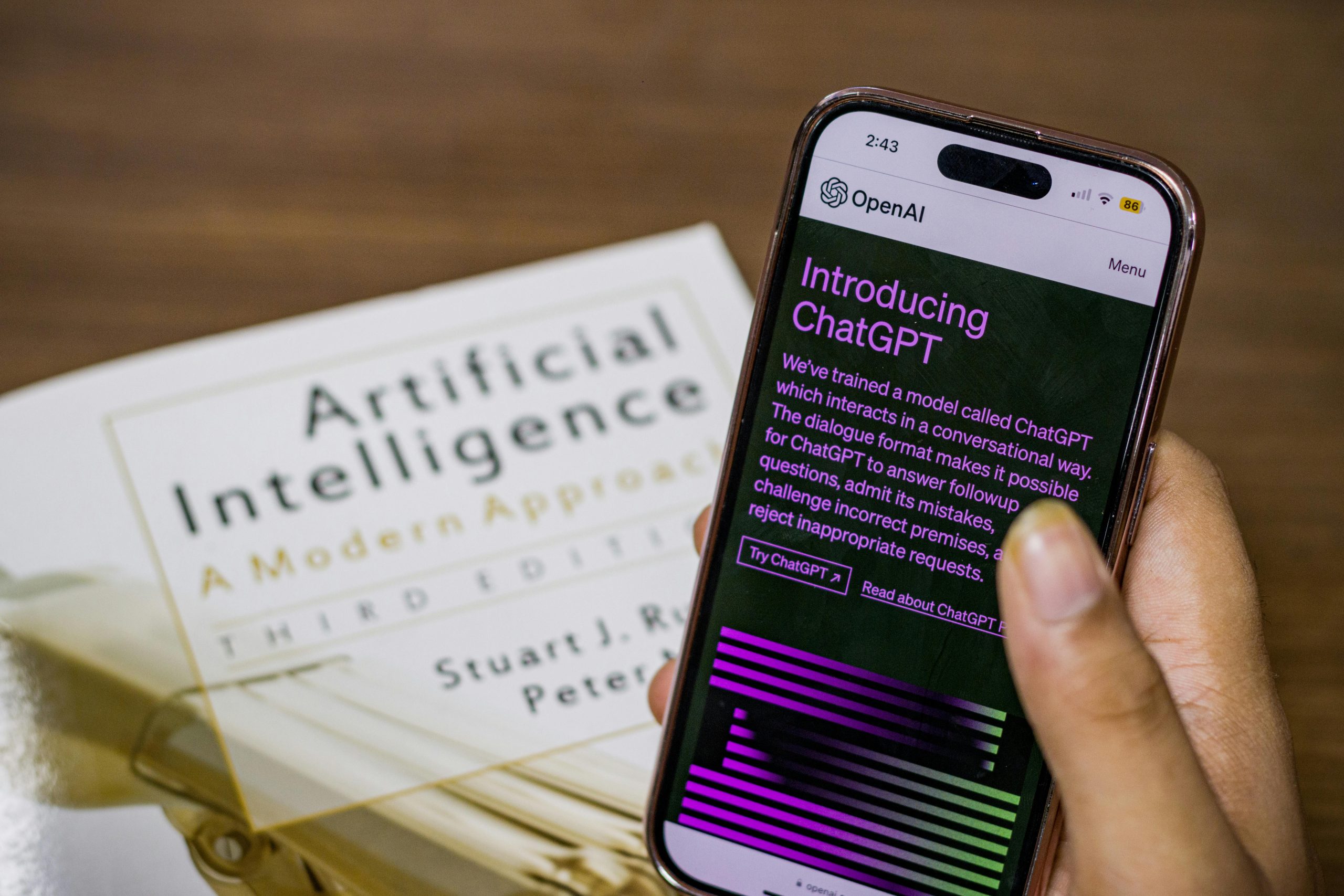
Consumers are no longer typing short keywords when searching. They’re asking full questions and expecting instant answers. McKinsey & Company reported that almost half of consumers now use AI-powered search to find answers.
Many people never scroll past the new AI Overview section. They get the information they need before they ever see your website. This is why getting your website to “rank” is no longer enough.
But SEO isn’t dying, it’s shifting.
In 2026, search success will rely on AEO (Answer Engine Optimization). In fact, AI models prefer content that is:
Grounded in lived experience
Clear and human-sounding
Long-tail and niche
Comparison-driven
Conversion-focused
If your content sounds specific, helpful, and human-written, your brand has a much higher chance of being chosen as the answer. And in an AI-first search world, being chosen as the answer is the new form of visibility.
2. Content Creation Has Entered a New Era
AI is now one of the most powerful creative tools in marketing. It helps teams brainstorm, write, design visuals, and turn ideas into polished assets quickly.
A major shift happened in 2025 with the launch of OpenAI’s Sora. Beyond the viral Jake Paul clips doing surreal AI-generated stunts, Sora proved that marketers can now create cinematic video content without a full production crew.
Soon after, major brands jumped in.
Coca-Cola released a fully AI-generated commercial, showing how global brands are embracing generative creative tools to move faster from idea to execution.
This highlighted a key truth:
AI isn’t replacing creativity, it is expanding what’s possible.
The best results come when AI handles the speed, and humans handle the soul.
3. Personalisation Is Becoming the Growth Engine
Consumers expect experiences that feel relevant to them, not generic. AI finally makes this achievable at scale.
HubSpot demonstrated this beautifully. Their demand generation team used AI to analyse user behaviour and tailor email recommendations. The outcome:
82% Higher conversions
30% Better open rates
50% More clicks
From a marketer’s perspective, these numbers tell an important story:
personalisation is no longer a “nice to have.” It is becoming the engine of growth.
James Brooks, founder of Journorobo, captures this shift well.
“If you put the effort in on the front end and create a great, thorough prompt,” Brooks says, “it will serve you for months or years to come, every day, on autopilot.”
Lauren Petrullo, CEO of Mongoose Media, adds another layer to this. She explains that AI-powered personalisation helps your audience feel like you’re speaking to them one-on-one rather than broadcasting to a general crowd.
And from what I see across clients, the brands winning today are the ones who treat their audience like individuals, not segments.

4. Marketing Teams Are Working in Smarter, Faster Ways
AI is not just improving content production. It’s redesigning how entire marketing teams operate.
AI now supports:
Campaign planning
Customer service
Audience research
Competitive analysis
Forecasting
Performance tracking
It identifies patterns humans might miss and helps teams make decisions with far more clarity and confidence.
For small teams, this is transformative. AI often becomes the equivalent of an additional department. Tasks like repurposing content, tagging assets, generating reports, or testing variations can run automatically in the background.
The result: fewer bottlenecks, smoother collaboration, and more consistent output.
But the brands that benefit the most are the ones who use AI intentionally, with transparency and strong human leadership.
5. Human Insight Is Still the Heart of Great Marketing
Even as AI evolves, human insight remains irreplaceable.
Kantar’s research shows that AI can power modelling, rapid testing, and optimisation — but it cannot replicate cultural nuance or emotional intelligence.
Consumers still crave messaging that feels:
Emotionally honest
Culturally relevant
Distinct
Memorable
This is why creativity becomes even more important.
When everyone uses AI to generate content, only brands with strong identity and emotional storytelling will stand out.
6. Human-First Media Is Becoming the New Ad Powerhouse
A major trend in 2026 is the rise of human-first media, because consumers trust people more than brands, and AI has accelerated this shift rather than reversing it.
We are seeing:
Founders becoming the face of the brand, like Elon Musk (Tesla, SpaceX) or Ben Francis (Gymshark)
LinkedIn reports that employee-shared content generates 8x more engagement than official brand posts, even though only a small percentage of employees actually share.
This is not a coincidence, but because people crave human interaction, especially in the world of digital fatigue.
Therefore, brands that are not trying to be the hero in their story and show empathy with their consumers will earn more trust and attention.
7. Authenticity Is the Strongest Currency in the Age of AI
AI-generated “slop” — content that feels generic, rushed, or emotionless — is becoming easier for consumers to spot.
Mentions of “slop” online have surged, with more than 80% of conversations expressing frustration toward low-effort AI content.
One Brandwatch respondent said it best:
“Anyone can produce content now, but not everyone can make people actually care.”
Authentic brands will use AI consciously. That means:
Intentional prompts
Human editing
Clear brand personality
Lived experience guiding the message
Transparency about what is AI vs human
The winning formula in 2026 blends AI’s speed with human depth and clarity.
How to Future-Proof Your Marketing Strategy in 2026
Here are some practical steps to help you adapt:
1. Audit your content for clarity and usefulness
Replace generic messages with specific, educational content shaped by real customer questions.
2. Start integrating AI into small parts of your workflow
Begin with research, idea generation, or repurposing to save time without overwhelming yourself.
3. Build personalisation into your communication
Use AI tools to segment your audience and tailor content paths that feel one-to-one.
4. Strengthen your brand’s human side
Show more of your team, founders, stories and values.
5. Keep your creative direction human-led
Use AI to scale, but maintain a strong narrative and emotional tone that reflects your brand.
6. Prepare for AEO now
Update your blog strategy with long-tail, comparison-based, experience-driven content.
7. Commit to transparency
Share how you use AI with intention — consumers appreciate honesty.
Marketing becomes much easier when your systems work for you, your strategy has direction, and your brand communicates with confidence and heart.
Ready to Build a Marketing System That Works in 2026?
Let’s design a strategy grounded in relevance and clarity.
Book a strategy session to build a marketing system that helps your brand thrive in an AI-powered world.

Share This